After TravelDaily Conference 2026: Mapping the Funds Flow Behind a Travel Booking
- Oceanpayment
- 24 Sep, 2026
- 04 Mins read
- Others
A travel booking can involve traveler payments, booking changes, refunds, settlement, reconciliation, and supplier payments. The funds flow behind it can extend well beyond the moment a payment goes through.
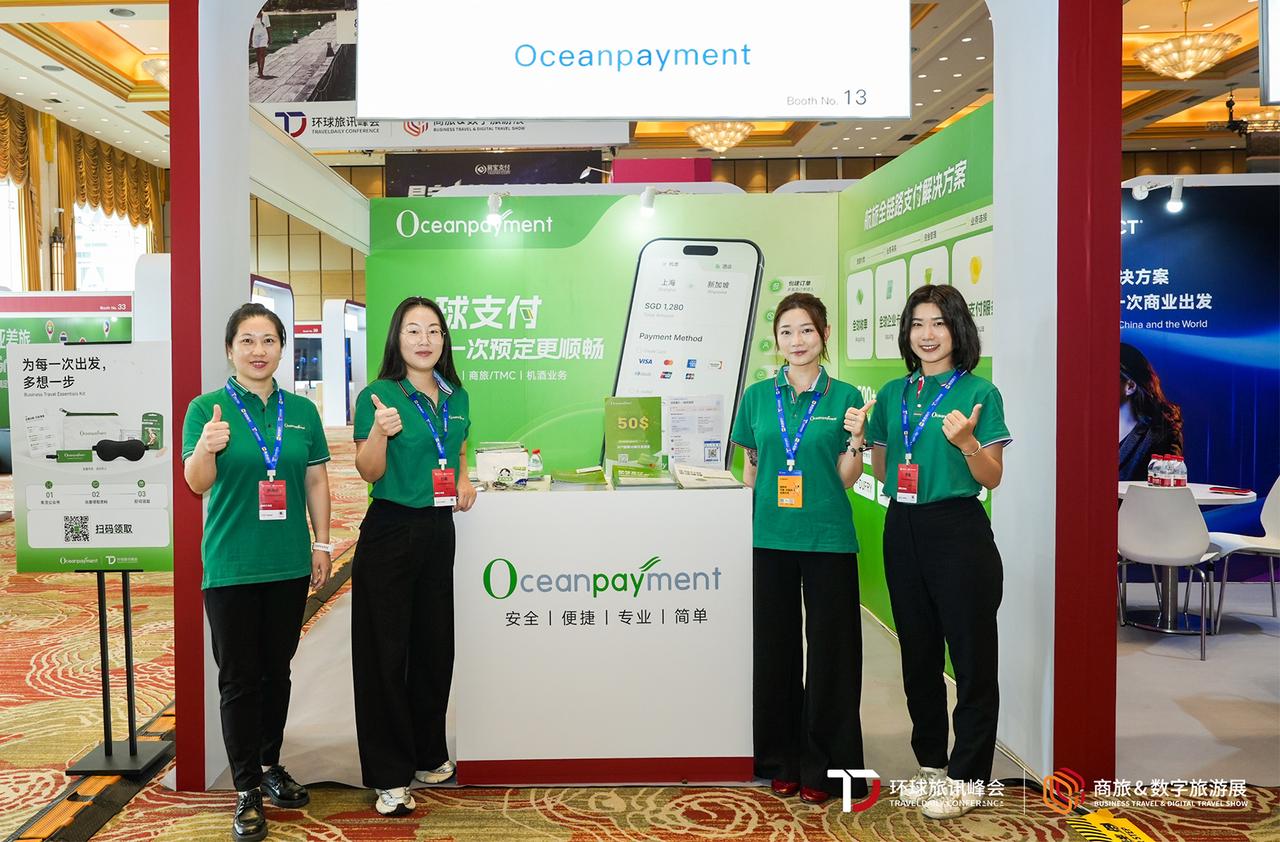
TravelDaily Conference 2026 brought together participants from across the travel ecosystem, including hotels, online travel agencies (OTAs), airlines, corporate travel, travel technology, travel management companies (TMCs), and payments.
This year’s discussions spanned new sources of growth in travel, changing traveler demand, product and operational innovation, AI, the digitalization of business travel, and global expansion. Different parts of the industry naturally focus on different priorities. Yet many of those operational questions eventually converge on the same fundamental unit of business: the booking.

A single booking can connect a traveler with an OTA, airline, hotel, and other service partners. It involves more than the reservation and the service itself. Payments, booking changes, refunds, settlement, reconciliation, and the movement of funds that follows can all become part of the same journey.
After the conference, we mapped out that complexity through the lens of a single travel booking.
The aim was to look beyond the moment of payment and follow what happens next as the booking changes, the service is delivered, and the associated funds continue to move.
A travel booking does not end when the payment goes through
For the traveler, the booking may simply appear as a flight, a hotel stay, or a business trip.
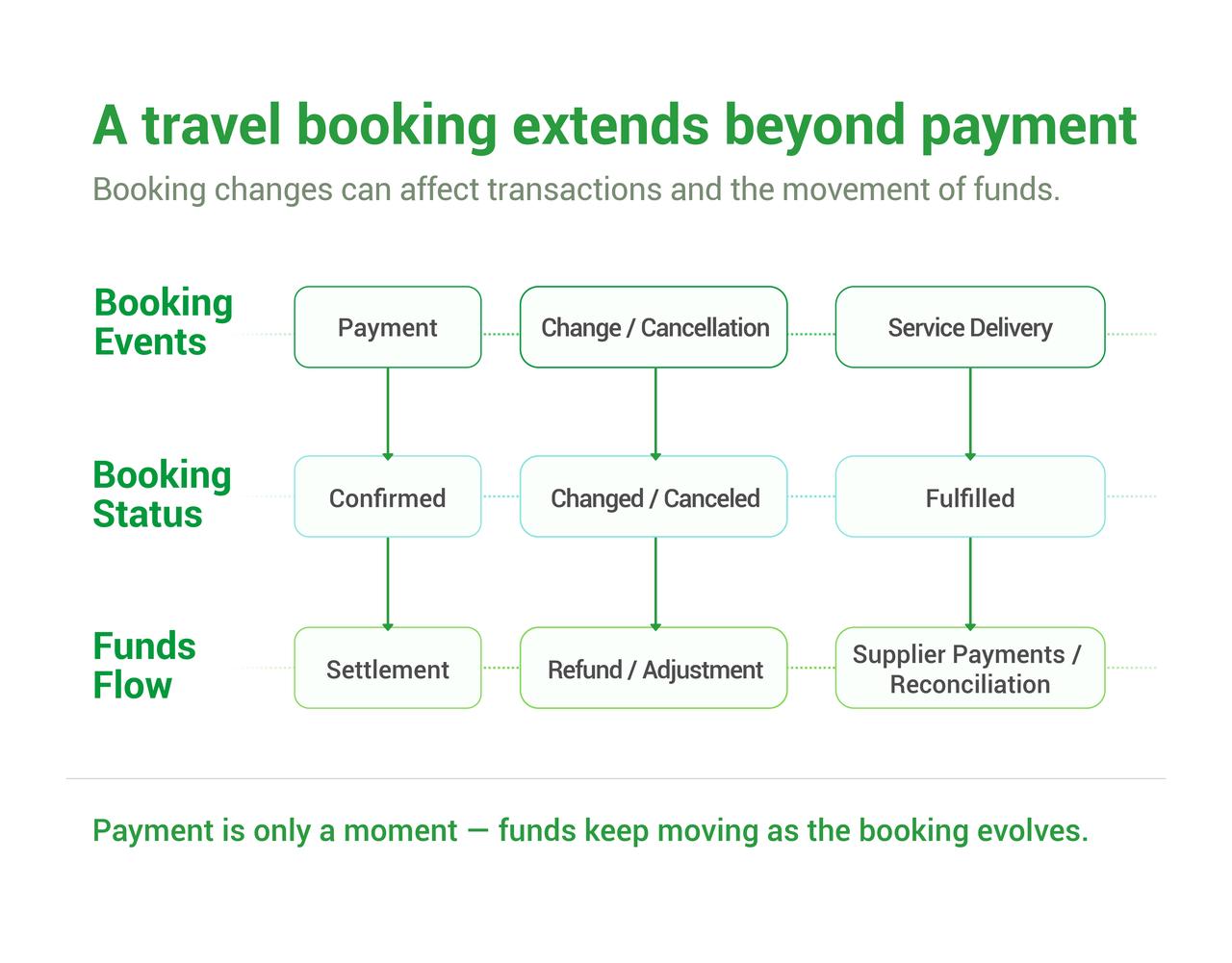
For the business behind it, the lifecycle can be considerably longer. After a booking is confirmed, it may be changed, cancelled, or otherwise adjusted. A completed payment may later lead to a refund or dispute. Booking and service status may need to stay synchronized throughout the journey. Beyond the traveler-facing transaction, businesses may also need to manage settlement, reconciliation, and payments to airlines, hotels, ground operators, transportation providers, or other partners.
As a booking changes, the amount involved, payment responsibilities, and timing of fund movements can change with it.
That is why understanding travel payments requires a broader view than whether the traveler has successfully paid.
A more complete view considers payment, booking changes, service delivery, settlement, reconciliation, and funds movement as parts of the same booking lifecycle.
When the booking changes, the funds flow changes with it
One defining characteristic of travel is that completing the payment does not necessarily determine the final financial outcome of the booking.
A booking change may result in an adjustment to the amount paid. A cancellation may trigger a full or partial refund. Changes in service delivery can continue to affect reconciliation, settlement, and subsequent funds handling.
For OTAs, TMCs, and other businesses that connect multiple parts of the travel supply chain, the flow continues after the traveler has paid. Payments may still need to be made to airlines, hotels, and other service partners.
The traveler payment, changes to the booking, and the business’s subsequent movement of funds therefore form part of the same operating flow. As booking status changes, the related transactions and movement of funds need to remain aligned.
TravelDaily Conference 2026 reflected the breadth of that ecosystem across its main conference, China Hotel Marketing Conference, China Business Travel Conference, and Business Travel & Digital Travel Show.
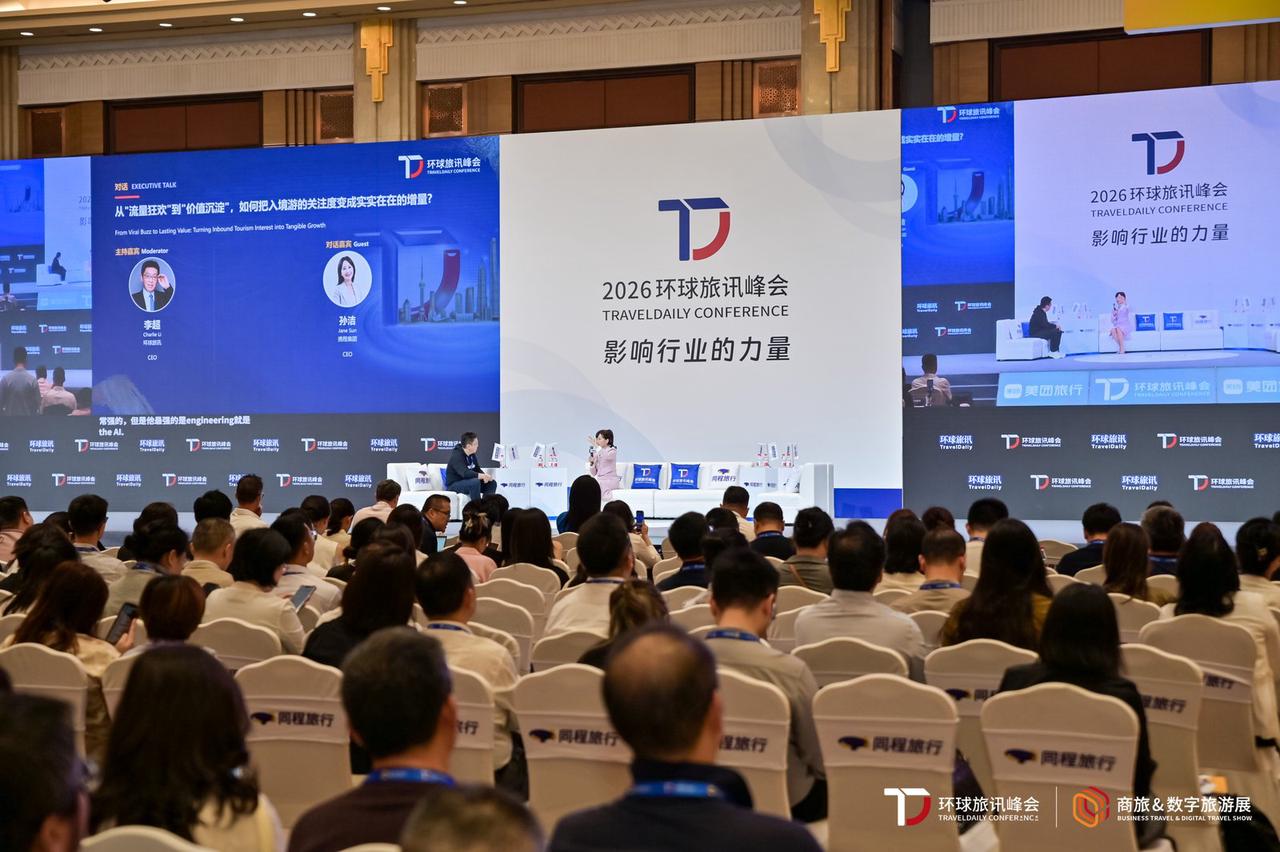
That breadth also offers a useful way to look at how travel works in practice: delivering a journey depends on coordination across multiple businesses and operating processes.
Payments sit within that wider system.
Design payment infrastructure around the booking lifecycle
For a travel business, payment infrastructure starts with understanding how its own transactions work.
Where do travelers come from, and how do they prefer to pay? What changes can a booking go through after confirmation? Who manages collections, refunds, and disputes? When the business pays partners across markets, what currencies, payment timing, and operational requirements need to be managed?
The answers vary widely across the industry.
OTAs, airlines, hotel groups, TMCs, and other travel service providers may each have different commercial relationships with travelers and suppliers. Even businesses with similar models can operate differently depending on their source markets, supplier structures, and the paths their funds take.
The payment setup therefore needs to reflect the actual booking and funds flow of the business, rather than relying on a broad “travel” label alone.
Oceanpayment supports global businesses through Global Acquiring, Oceanpayment Card, and OPCCOUNT, covering payment acceptance, corporate card issuing and management, and global pay-in, payout, and account management. The appropriate setup depends on each business’s operating model, target markets, transaction flows, and compliance requirements.
The conference ends, but the bookings continue.
Looking again at the travel bookings processed every day, many opportunities for improvement sit in the handoffs between booking, payment, service delivery, and the movement of funds.
A successful travel booking depends on more than a successful payment. Payment, booking status, service delivery, and funds movement need to stay aligned throughout the booking lifecycle.
Ready to get started?
Explore our travel payment solutions or talk to our team.
References
TravelDaily | TravelDaily Conference 2026
Official event page: https://activity.traveldaily.cn/tdc2026
TravelDaily | “TravelDaily Conference 2026 Officially Launches: Finding the Next Wave of Growth in Travel”
Conference program and industry topics: https://www.traveldaily.cn/article/189447/