


As payment scenarios continue to evolve toward mobile-first environments, cross-border businesses are placing greater emphasis on convenience, security, and contextual adaptability in their payment methods. Recently, Oceanpayment’s global corporate card, Oceanpayment Card, has enabled integration with Google Pay, further expanding payment options across both online and offline business scenarios.
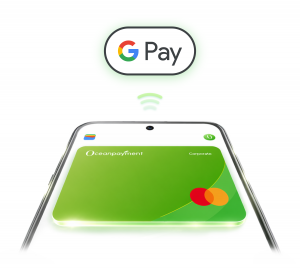
Cardholders can add their Oceanpayment Card to Google Wallet and make payments using compatible devices at physical stores, in-app, and on online platforms that support Google Pay. For enterprises, this integration not only introduces a payment method aligned with mobile-first user behavior, but also enhances the adaptability of Oceanpayment Card across diverse payment scenarios.
Enhancing Payment Experience and Expanding Enterprise Payment Options
· Greater Flexibility for Business Payments
Across real-world payment needs such as business travel, day-to-day procurement, and digital service subscriptions, enterprises can now complete transactions in more environments that support Google Pay, allowing payment methods to better align with different business scenarios.
· More Convenient Payment Experience
Once the card is added, cardholders can make payments using compatible Android devices, including smartphones and smartwatches, without relying on a physical card. This reduces friction during the payment process and delivers a smoother payment experience.
· Enhanced Payment Security
When paying via Google Pay, the transaction typically uses a virtual card number or device-specific account identifier instead of the actual card number, minimizing the risk of exposing sensitive card information directly.
As an integral part of Oceanpayment’s payment service ecosystem, Oceanpayment Card continues to evolve to meet the needs of enterprises operating globally. The integration with Google Pay represents a step forward in expanding mobile payment capabilities, enabling businesses to benefit from more convenient and flexible payment options in their everyday operations.




 粤公网安备 44030502003453号
Comments are closed.